Recipes · lunch, dinner
Stuffed Peppers in Tomato Sauce for Toddlers (12+ Months)
Stuffed peppers with ground meat and rice, simmered in tomato sauce with no roux and no salt. For your child, the pepper and filling are cut up on the plate.
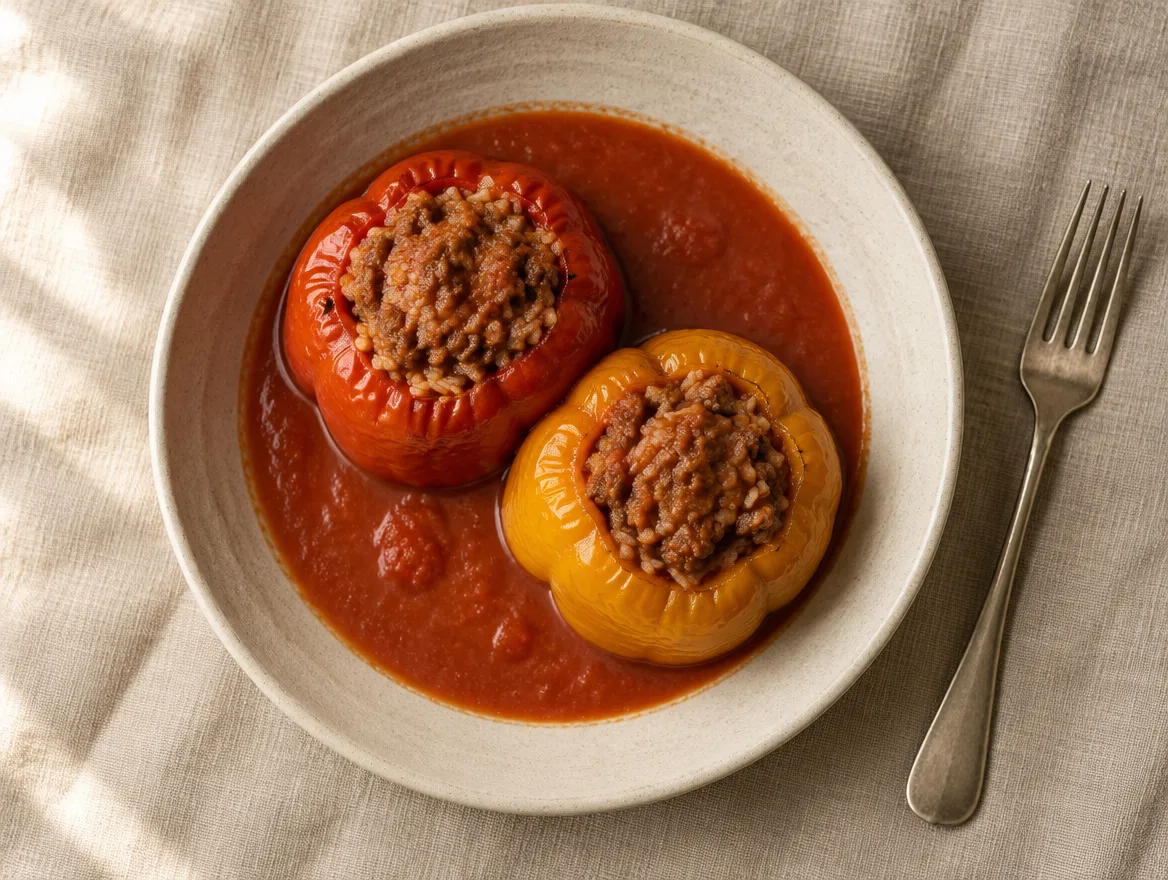
Illustration of the dish created with the help of AI.
- For toddlers from 12 months
- Prep 20 min · cook 65 min
- A bit more work
- 4 servings (2 adults and 2 children)
- Family meal
Allergens
Contains none of the 14 major allergens listed by EU and UK law (this also covers the 9 major US allergens).
One meal for the whole family
Prepare the filling and the sauce without salt. Take out a pepper and a little sauce for your child, then salt the rest of the sauce. Adults can salt the filling on their plates if needed. Stuffed peppers are usually eaten with mashed potatoes, which contain milk when made with milk and butter.
Ingredients
- 6 medium bell peppers (about 800 g / 1¾ lb)
- 400 g (about 14 oz) ground beef (beef mince) or mixed ground meat
- 80 g (about 3 oz) rice (about 5 tbsp)
- 1 onion
- 1 tbsp olive oil
- 1 tsp sweet paprika
- a little fresh parsley
- 500 g (about 18 oz) tomato passata (strained tomatoes) with no added salt
- 1 carrot
- about 500 ml (2 cups) water
Method
- 1Cut the stem end off the peppers and remove the seeds and white ribs.
- 2Finely chop the onion and sauté it in the oil for 5 minutes, until soft. Leave it to cool for a few minutes.
- 3In a bowl, mix the meat, the uncooked rice, the sautéed onion, the paprika and the chopped parsley with your hands.
- 4Fill the peppers three-quarters full and don't pack the mixture down, because the rice swells as it cooks.
- 5Stand them upright in a pot they fit into snugly, so they don't tip over. If there's any mixture left, shape it into meatballs and tuck them between the peppers.
- 6Mix the passata with the water and the finely grated carrot and pour it over the peppers. The liquid should come two-thirds of the way up the peppers; if it doesn't, add more water.
- 7Once it comes to a boil, lower the heat, cover and simmer for 50 to 60 minutes. The peppers are done when a fork pierces them easily, the rice in the middle of the filling is completely soft and the meat is gray, with no pink left.
Nutrition per 100 g
- Energy
- 72 kcal
- Protein
- 4.1 g
- Fat
- 3.2 g
- Carbohydrate
- 7.1 g
- Fiber
- 1.2 g
- Iron
- 0.9 mg
- Calcium
- 11 mg
Approximate, calculated from the raw ingredients using USDA FoodData Central. Actual values depend on your ingredients and how you cook them.
Rate this recipe
Click a star, or choose one with the arrow keys and press Enter.
Why no roux
The sauce for stuffed peppers is usually thickened with a flour roux, and the acidity of the tomato is softened with sugar. Here grated carrot adds a gentle sweetness, and the sauce thickens on its own if you cook it uncovered for the last ten minutes. That keeps the dish free of flour and added sugar.
Adapting it by age
- From 12 months: cut the pepper open, remove the skin that has come loose during cooking and finely chop the flesh. Mash the filling with a fork and mix it with the sauce.
- From 2 years: the pepper cut into bite-size pieces, and the filling in pieces your child eats with a fork.
Variations
You can use the same filling for hollowed-out zucchini (courgettes). Ground turkey (turkey mince) works instead of beef and makes the filling lighter in color and milder.
Safe feeding
Always feed your baby sitting upright and never leave them alone while eating. Offer a new food in the morning or early afternoon and watch for a reaction over the next two to three days. Before 12 months, add no salt, sugar or honey. Food is best eaten straight away; if any is left, cool it quickly, keep it in the fridge until the next day at the latest, and throw away anything left in your baby's bowl. This recipe is for information and doesn't replace advice from your pediatrician or health visitor, especially if your baby has a food allergy or severe eczema.
How to tell gagging from choking and when to introduce allergens: Starting Solids: When to Begin and How to Know Your Baby Is Ready.
Keep track of what your baby tries
In the HannaH app you log every new food, the texture, how much your baby ate and how it went down. If a rash appears, you can show your pediatrician an exact list instead of trying to remember.
More meals for 1 year olds
How many meals a day and a sample week: Toddler Food at 12 Months: What a 1 Year Old Eats
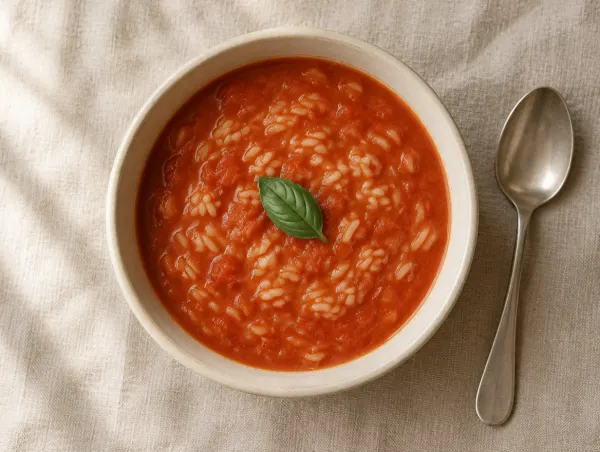
12 mo+ · lunch · dinner · 30 min · Family meal
Tomato Soup with Rice for Toddlers
Free from the 14 major allergens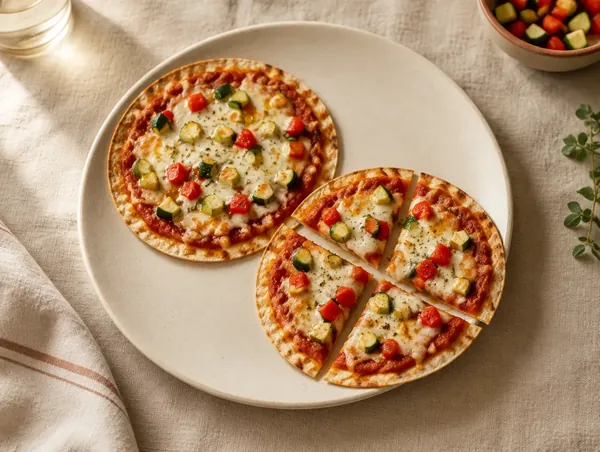
12 mo+ · dinner · lunch · 20 min
Tortilla Mini Pizzas with Vegetables for Toddlers
GlutenMilk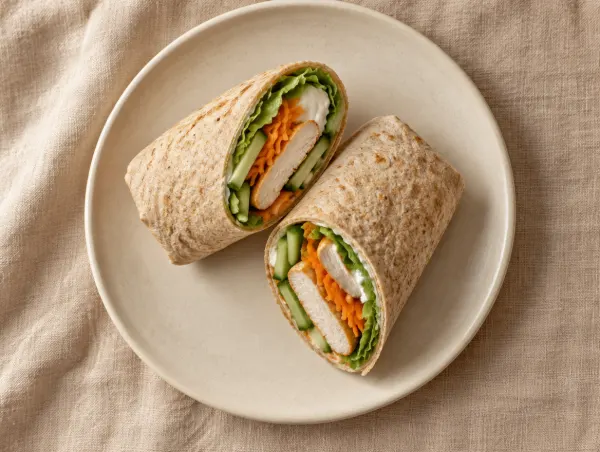
2 yr+ · dinner · lunch · 25 min · Family meal